Can t Hear You I m Gaming Design Vector Review
As a designer who has spent years turning digital files into tangible, stitched products, I approach every new asset with a mix of excitement and skepticism. When I first opened the Can t Hear You I m Gaming Design Vector, my immediate thought wasn't about the file formats or the resolution specs listed in the description. Instead, I was thinking about the specific project I had on my desk: a custom embroidered hoodie for a local gaming tournament organizer. The mood needed to be authentic, slightly playful, but professional enough to sell at a craft fair or an online boutique.
This design immediately caught my eye because it speaks the language of the target audience without screaming for attention. It captures that universal gamer sentiment of being too focused on the mission to hear anyone else. But does it translate well from a screen to a needle? In my experience, many vector graphics look perfect in Illustrator but fall apart when converted into stitch data. Let's dive into how this piece performs in real-world embroidery scenarios.
The First Impression: Mood and Visual Personality
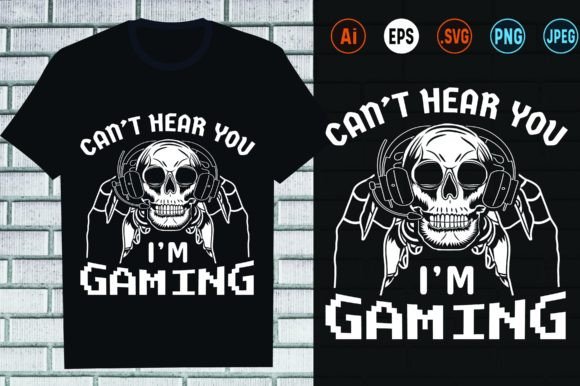
The layout of the Can t Hear You I m Gaming Design Vector feels balanced and ready for adaptation. Unlike some designs that are cluttered with tiny details that get lost in stitching, this one relies on strong shapes and clear typography. The visual personality is confident and modern, making it ideal for custom apparel where you want the wearer to feel part of a community rather than just wearing a logo.
For a handmade product creator, the clean lines suggest versatility. Whether you are aiming for a high-end boutique look or a fun, casual Etsy seller vibe, this graphic provides a solid foundation. It doesn't rely on complex gradients that are impossible to replicate with thread, which is a huge plus. The design assets provided allow for easy modification, meaning you can tweak the color palette to match your brand's aesthetic before even sending it to the machine.
Real-World Application: From Screen to Stitch
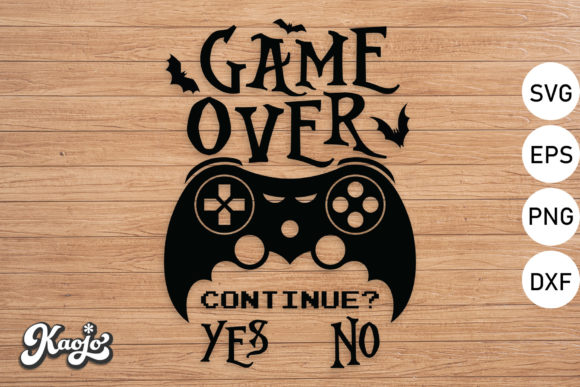
I recently tested this concept by imagining it on a heavy cotton sweatshirt for a holiday gift collection. The text "Can t Hear You I m Gaming" naturally lends itself to a bold, central placement on the chest. However, the true test lies in the execution. How does it handle the transition from a flat vector to a 3D stitched object?
In my review of similar machine embroidery design files, I often find that lettering gets mushy if the spacing isn't precise. This vector appears to have generous spacing between characters, which is crucial for maintaining readability after the fabric puckers under tension. If you are planning to use this for a tote bag design, the sturdy nature of the shapes suggests it will hold up well against the friction of daily use. For a sweatshirt embroidery project, the design would likely sit comfortably within a standard hoop size, avoiding the distortion issues common with oversized graphics.
Another practical scenario involves creating personalized gifts for parents of young gamers. The clean aesthetic works beautifully on baby clothes, provided the stitch density is adjusted appropriately. A baby embroidery project requires softer stitches and less bulk, so the ability to edit the vector allows you to reduce the fill density while keeping the shape intact. This flexibility is what separates a good digital file from a great one for small business owners looking to scale their craft business.
Navigating Technical Challenges and Limitations
While the potential is high, there are specific areas where caution is required. Not every surface plays nice with every design. If you are considering using the Can t Hear You I m Gaming Design Vector on a curved surface like a baseball cap, you must be mindful of the curvature. Text that looks straight on a monitor might curve awkwardly if not digitized correctly for the hat's profile. Always check the hoop size compatibility before committing to a large production run.
Fabric texture also plays a critical role. On thin fabrics or stretchy materials like jersey knits, dense stitch areas can cause the fabric to pucker or tear over time. If you plan to use this for a pillow cover or a kitchen towel, the stability of the fabric usually helps, but you still need to select the right stabilizer. A cut-away stabilizer is often necessary for heavier fills to prevent the design from pulling the fabric out of shape after washing.
There are also limitations regarding detail level. While the vector shapes are editable, extremely fine details might disappear if the final stitch count is too low. If you intend to create a small embroidered patch, ensure that the smallest elements are thick enough to be visible once trimmed. Tiny lettering or intricate decorative accents often fail on small surfaces, leading to a muddy appearance that can hurt the perceived value of the finished product.
Impact on Brand Value and Customer Trust
For any commercial embroidery project, the quality of the design directly impacts customer trust. A crisp, well-executed design signals professionalism. When a customer receives a personalized gift or buys a shirt from your shop, they are paying for the art as much as the garment. If the stitch density is off or the colors bleed, the entire brand perception suffers.
The Can t Hear You I m Gaming Design Vector offers a strong starting point for building a cohesive brand identity. Its clean lines allow for consistent application across different products, from apparel decorations to digital mockups used in marketing. When you present a printable mockup to a client, having a vector file ensures that the preview looks sharp regardless of the screen size. This consistency is vital for small shop products that aim to compete with larger retailers.
Furthermore, the design's theme resonates emotionally with its audience. Gamers appreciate humor and relatability. By choosing a design that captures this sentiment accurately, you increase the likelihood of engagement and sales. The design acts as a conversation starter, adding value beyond the physical item itself.
Practical Designer Notes for Success
Before you hit the start button on your embroidery machine, there are several steps you should take to ensure the best results. First and foremost, always test the design on scrap fabric. This simple step can save you hours of rework and wasted materials. Check how the thread colors contrast against your chosen background; sometimes a dark thread on a dark fabric needs a lighter outline to pop.
Review the stitch density carefully. If the file comes as a raw vector, you will need to convert it into a stitch file compatible with your machine. During this process, pay close attention to the running stitch versus satin stitch balance. Too much satin on a large area can make the fabric stiff and uncomfortable. Ensure you are using the proper stabilizer for the fabric weight you are working with.
If you plan to sell finished items, confirm the licensing terms explicitly. Some digital products are for personal use only, while others allow commercial rights for a limited number of items. Verify whether the digital embroidery file includes instructions for resizing without losing quality. Finally, inspect the small details in black and white mockups to ensure legibility. A design that looks colorful on screen might lose its definition in grayscale, which can affect how it appears on monochrome threads.
By treating the Can t Hear You I m Gaming Design Vector as a tool to be mastered rather than just a file to be printed, you can elevate your embroidery project from a simple craft to a professional offering. Whether you are making a unique holiday embroidery gift or stocking shelves for a boutique branding launch, this design has the potential to be a standout piece in your portfolio.